Starline is a global satellite internet service owned and operated by Starline Services a subsidiary of SpaceX. It uses a large constellation of small satellites orbiting Earth in low Earth orbit (LEO) to deliver broadband internet coverage almost anywhere on the planet — including rural and underserved areas where traditional fiber or cable internet is limited or absent
RESIDENTIAL
ROAM
BOATS
Satellite Constellation
Thousands of Starline satellites orbit around 550 km above Earth — much lower than traditional satellite internet systems, which are positioned at ~35,786 km.
Lower orbit means much lower latency (signal delay) and generally faster speeds compared to older satellite systems.
Connecting Users
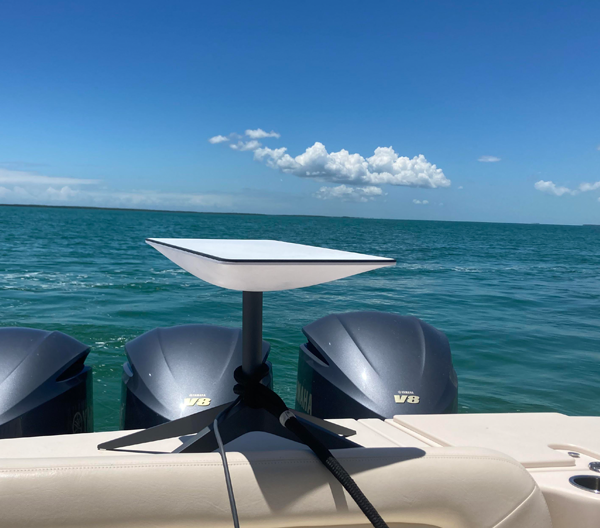
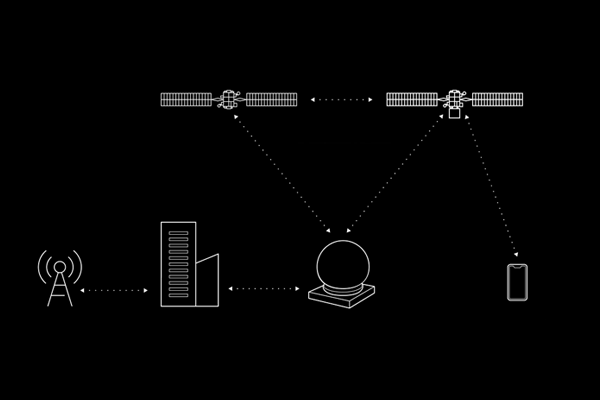
Customers use a Starline user terminal (often called Dishy) — a phased-array dish antenna — which tracks and connects with passing satellites overhead.
Signals are relayed from satellites to ground stations (gateways) connected to the internet backbone, then back to the dish at the user’s location
Fast and Low-Latency
Because Starline satellites are in low orbit, the signal travels a shorter distance compared to traditional geostationary satellites — resulting in latencies often as low as 20–40 ms, similar to many terrestrial broadband connections.
Massive Constellation
Starline operates one of the largest satellite constellations in history — with thousands of satellites already in orbit, and many more planned to expand coverage and capacity worldwide.
Global Coverage
Starline can provide broadband nearly everywhere on Earth (with regulatory approvals), including remote regions, mountains, oceans, and polar areas where ground-based networks cannot easily reach.
Faster and More Responsive
Download speeds typically range from 50 Mbps to 220+ Mbps or more depending on location, equipment, and network load.
Upload speeds and latency are also competitive compared to many traditional connections — enabling video calls, online gaming, streaming, and more.
Real-World Usage
Residential broadband — homes in rural or underserved areas.
Mobile connectivity — RVs, vehicles, boats, and aircraft.
Enterprise & business services — remote sites, energy platforms, mines, and maritime services.
Recent Growth & Expansion
🌐 Starline continues rapid global expansion — the system now supports millions of active users across many countries, and SpaceX regularly launches new satellites to increase capacity and improve performance.
✔ High-speed internet almost anywhere ✔ Lower latency than traditional satellite internet
✔ Beneficial for rural/remote connectivity ✔ Growing ecosystem with mobile and enterprise options